We feed our Piggy's a mix of Cracked Corn...
Oats....
Pig feed Pellets....
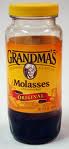
We also sometimes add just a lil Mollasses for a sweet treat...
If y'all were to go to Tractor Supply you can purchase as we do an have more then enough for you piggy for quite sometime...
50lbs of cracked corn
50lbs of oats
50lns of pig pellets
1 jar of molasses
*Get yourself a large bin with a cover an mix it all together....an you know have 150lbs of feed which should be feed 2 times a day 1/2 cup each time...Our normal feeding times that all piglets will be used to is 10am/7pm
~They also like to hang out an eat grass...So give them some time outside as well as inside your home so they to can have fun an root...
*Pot bellied pigs generally have voracious appetites and will eat nearly
anything that you offer them. Unfortunately they are also very prone to
obesity which can lead to foot and joint problems as well as other
health problems. In addition to the health implications they can also
become very persistent and pesky beggars and can even learn to open the
refrigerator in their search for tasty treats. Feeding the proper diet,
limiting treats and developing a feeding routine can help prevent
problems.
Pot bellied pigs need a good quality diet that is high in fiber and
low in calories. Ideally, a food formulated specifically for pot bellied
pigs or mini pigs should be fed, and these can now be found at some
feed stores and pet stores. If your local store doesn't carry these
diets they may be able to order them in for you, or you could also check
to see if your veterinarian can order them.
If you feed a commercial food meant for farmed pigs make sure you choose a maintenance ration - especially avoid the grower and finisher type foods which are meant for optimum growth and are too rich for pot bellied pigs. The
Young piglets can be fed a commercial pig starter diet, but only up to about 2-3 months of age.
As a rule, in non-breeding adults feed about 1/2 cup of maintenance food per 25 pounds of the pig's weight (so a 75 pound pig would get 1 1/2 cups of food). The total amount should be divided into 2 meals a day. However, this amount is a guideline and should be adjusted based on the pig's body condition. If the pig is developing rolls of fat around the face and you have a hard time feeling the hip bones, the pig is becoming obese and should be fed less. Conversely, if the pig feels skinny you should feed more. Piglets up to 6 weeks of age can be fed starter ration free choice (as much as they want) but from 6 weeks to 3 months gradually limit the starter food down to about 1 to 1 1/2 cups per day. Nearing 3 months, make the gradual change to the adult diet.
In addition to the formulated diet, you can feed a good variety of fresh vegetables to make up about 25% of the pig's diet. Foods such as celery, cucumbers, peppers, carrots, potatoes and some greens are good choices (but try to limit the starchy vegetables like potatoes). Some fruits can be feed as well but only in moderation due to the high sugar content. Most pigs love treats like apples, grapes and raisins, but these are good to reserve as treats to be used in training.
Pigs should also be allowed opportunity to root in soil and graze on grass (not treated with chemicals or fertilizer). Pigs are susceptible to selenium deficiency but in most areas if they are allowed to graze and root in the soil they will get enough. If you live in an area with soil deficient in selenium you may need a mineral supplement. Check with your veterinarian for advice on this.
Extra fiber can be provided by feeding hay (e.g. alfalfa), and some experts recommend adding bran to the diet. In summary:
- feed a diet specifically made for pot bellied pigs if possible
- do not overfeed - never feed as much as they will eat since pigs have voracious appetites
- do not feed dog or cat food (much too high in protein)
- avoid fatty foods, particularly animal fats
- absolutely avoid chocolate or salty snacks
- ensure plenty of fresh water is always available
- do not give into begging or your pig is likely to become a pest and beg constantly
- do not feed directly from the fridge or your pig may quickly become an expert at opening the fridge
Pot bellied pigs have individual personalities, but many piglets do not like to be touched much, or held. Usually, they grow to enjoy being near the people they bond with, and like to be touching them or sitting in their laps. However, piglets can be quite aloof or fearful at first, especially if they have not been well socialized by their breeder. Even well socialized pigs may take a while to learn to transfer trust to a new owner. When you bring a young pig home, you first need to gain the piglets trust in order to have it accept handling readily, then work on training basic behaviors (such as leash walking, house training) and being able to restrain the pig so necessary grooming and medical care can be done as needed. Although most pigs quickly outgrow being picked up, it is worthwhile to get them used to being picked up as they will be more willing to be handled and restrained if you are able to gain their trust enough to be able to pick them up.
A note about any sort of training with a pig: positive reinforcement
is the key to success. They won't respond to force or punishment very
well at all. To a pig, the most obvious kind of positive reinforcement
is food, remembering that most pigs will be happy to work for small
tidbits such as raisins, small pieces of apple or other fruit, or even
pieces of their regular ration. When you are trying to tame a stubborn
piglet, you may even want to hand feed all their food, since the
quickest way to a pig's heart is through his stomach. However, obesity
is a common problem, so keep treat foods to a minimum and make sure you
are not overfeeding your pig by feeding full meals and supplementing
with extra food for training.
For your best bonding experience...
Bonding With a New Piglet
When you bring your new pig home, he (or she) will probably be very nervous and scared, since he has left everything familiar behind and has to adjust to all new people and surroundings. Be patient at first. You will want to keep him or her in a small confined area until he is more comfortable. Let the pig explore a bit and get comfortable with his new surroundings, and once he doesn't seem apprehensive, try to get him to approach you by tempting him with food. Sit on the floor with the pig, and offer a bit of food (for piglets, it is probably best to just use their regular food for most of the training - small bits of vegetable or fruit could be used for special treats). You may just need to put the food on the floor in front of you at first, and gradually work up to the piglet taking the food from you. Do this repeatedly over the course of the first few days at home and have everyone in the family have a turn so that the piglet can bond with all the family members.
Once your piglet is comfortable with being near you and taking food from your hand, you can reach out and try to scratch your piglet gently under the chin or along the sides. Move slowly, and speak calmly and gently to your pig. Remember to give treats as you do this, and the piglet will eventually realize this is a pleasant experience. Move at a pace that your piglet is comfortable with, though. If he resists being scratched or petted, back off a bit until he is more accepting.
There is a fairly fine line between spending enough time with
your piglet and spending too much time, though. While you want to take
the time to get to know your pig and have him or her trust you, you also
want to make sure you do not lavish too much attention on your baby, or
he will come to expect attention all the time. This is also true of
using food as a training tool - spend time with your pig without giving
treats as well, or he will think of you as a food dispenser and may
start to expect or demand food contstantly. Keep the bonding and
training sessions short and regular, with breaks to give the pig time to
rest and develop the ability to entertain himself a bit too.
